Home/ Container Types
Global Container Knowledge Center

Shipping Container Types for Global B2B Trade, Logistics and Industrial Projects

Global Container Network provides a professional overview of the most important shipping container types used in international trade, intermodal transport, industrial logistics, storage, project cargo, temperature-controlled supply chains and global equipment procurement.

This guide helps buyers, leasing companies, freight forwarders, exporters, importers, manufacturers, construction companies, energy projects and logistics decision-makers understand which container type is suitable for which commercial application.

Understanding the Main Categories of Shipping Containers

Shipping containers are standardized transport units designed to move goods efficiently across sea, rail and road. Although the dry freight container is the most common equipment type worldwide, the global container market includes many specialized units for oversized cargo, refrigerated goods, liquids, bulk materials, hazardous cargo, offshore operations, construction projects and industrial storage.

The right container type depends on cargo dimensions, weight, loading method, temperature requirements, ventilation needs, structural strength, route planning, port handling, depot availability, customs requirements and total logistics cost. In professional B2B procurement, container selection is therefore not only a technical decision, but also a commercial and operational decision.

Dry Freight Containers

Standard containers for general cargo, palletized goods, boxed products, machinery parts and export shipments.

High Cube Containers

Higher internal volume for lightweight, bulky cargo and industrial goods requiring additional loading height.

Reefer Containers

Temperature-controlled equipment for food, pharmaceuticals, chemicals and sensitive supply chains.

Open Top Containers

Designed for cargo loaded from above, including heavy machinery, steel structures and oversized components.

Flat Rack Containers

Used for heavy, wide or irregular cargo that cannot be loaded into standard closed containers.

Tank Containers

Specialized units for liquids, chemicals, food-grade products and industrial bulk transport.

Side Opening Containers

Useful for wide cargo, fast warehouse loading, event logistics and modular industrial applications.

Offshore Containers

Heavy-duty certified units for offshore energy, oil and gas, marine engineering and harsh environments.

Professional note: Container availability, certification, age, grade and regional market conditions can differ significantly by country, port, depot and equipment owner. Global Container Network connects commercial container requirements with international market access, supplier structures and logistics expertise.

Why Container Type Selection Matters in International Business

In global logistics, using the wrong container type can increase freight costs, create loading problems, delay customs clearance, reduce cargo safety or make the shipment commercially inefficient. A standard dry container may be ideal for general cargo, but unsuitable for temperature-sensitive goods, heavy machinery, tall industrial equipment, liquid cargo or cargo requiring ventilation.

Professional container users therefore evaluate container type, size, payload, tare weight, floor strength, certification status, availability, ownership model, route compatibility and total cost before procurement, leasing or shipment execution. This is especially relevant for global B2B trade, international project cargo, manufacturers, construction companies, importers, exporters and logistics providers operating across several markets.

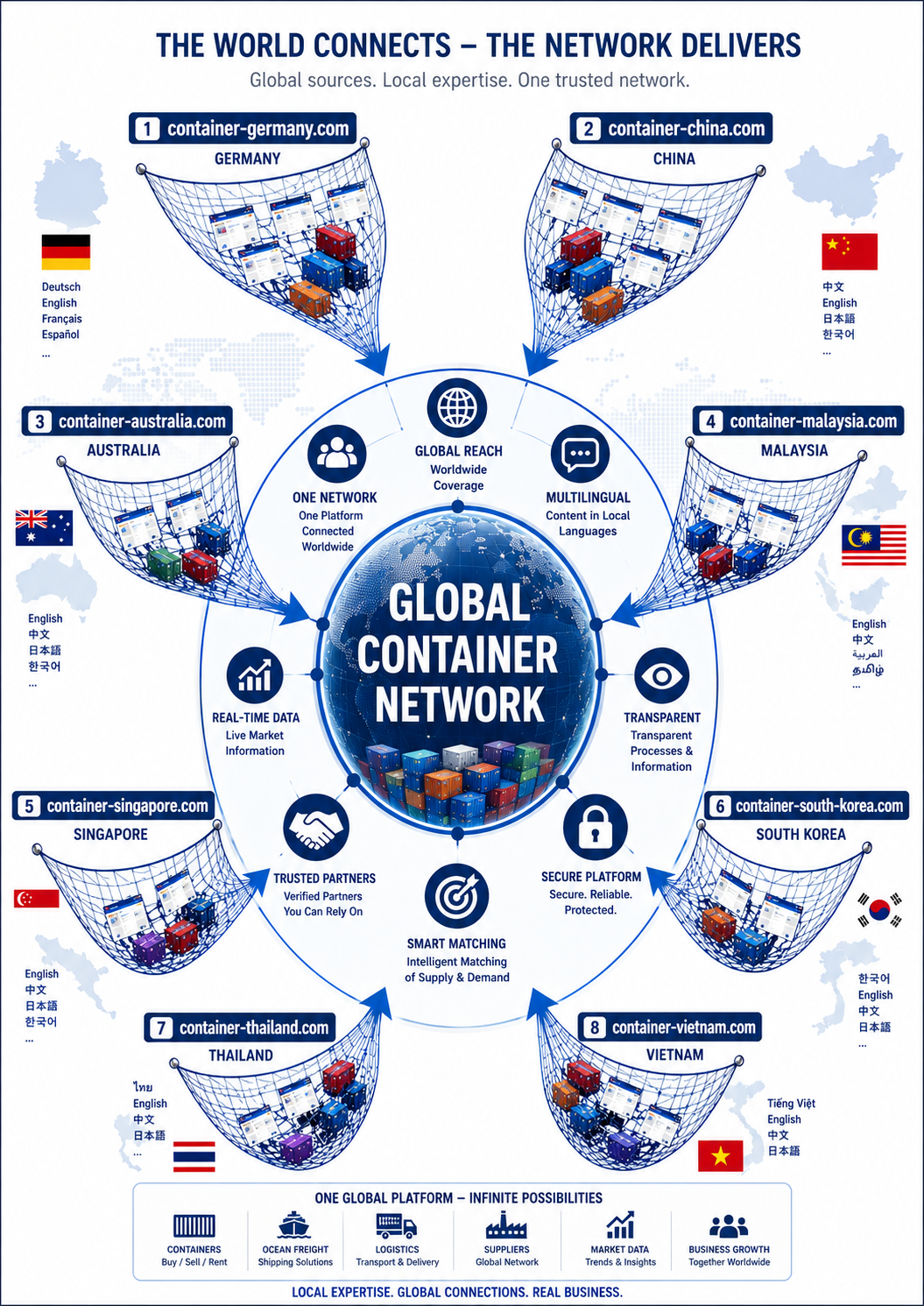
Global Container Network is structured as an international knowledge and business platform for container-related demand. The objective is to support container buyers, sellers, leasing partners, logistics companies and industrial clients with clear information, market orientation and professional contact opportunities.

Technical Container Classification

Main Shipping Container Types and Their Professional Applications

The global container industry uses different equipment types to match cargo characteristics, route requirements, loading methods and commercial logistics models. Each container type has a specific role within international supply chains. Selecting the correct unit improves cargo protection, reduces handling risk, supports customs and inspection processes, and helps optimize total transport cost.

The following overview explains the most relevant container types for international B2B users, including general cargo, industrial cargo, refrigerated goods, oversized machinery, liquid products, bulk cargo, offshore equipment and specialized project logistics.

Container Type Common Sizes Main Application Typical Cargo B2B Relevance
Dry Freight Container 20 ft, 40 ft General cargo transport Cartons, pallets, machinery parts, consumer goods Most common global container type
High Cube Container 40 ft HC, 45 ft HC Higher-volume cargo Furniture, light machinery, packaging, retail goods Important for volume optimization
Reefer Container 20 ft, 40 ft HC Temperature-controlled logistics Food, pharmaceuticals, chemicals, flowers Essential for cold chain supply
Open Top Container 20 ft, 40 ft Top-loaded cargo Steel, machines, glass, construction elements Used for cargo exceeding door height
Flat Rack Container 20 ft, 40 ft Oversized and heavy cargo Vehicles, generators, pipes, industrial modules Relevant for project cargo and heavy industry
Tank Container 20 ft standard frame Liquid and bulk liquid transport Chemicals, food-grade liquids, oils, gases Specialized industrial logistics equipment
Side Opening Container 20 ft, 40 ft Wide side loading Long goods, event material, warehouse cargo Useful for fast access and flexible loading
Offshore Container Various certified units Marine and offshore operations Tools, equipment, spare parts, offshore cargo Used in oil, gas, wind and marine engineering
Container Equipment Guide

Detailed Explanation of the Most Important Container Types

Dry Freight Container

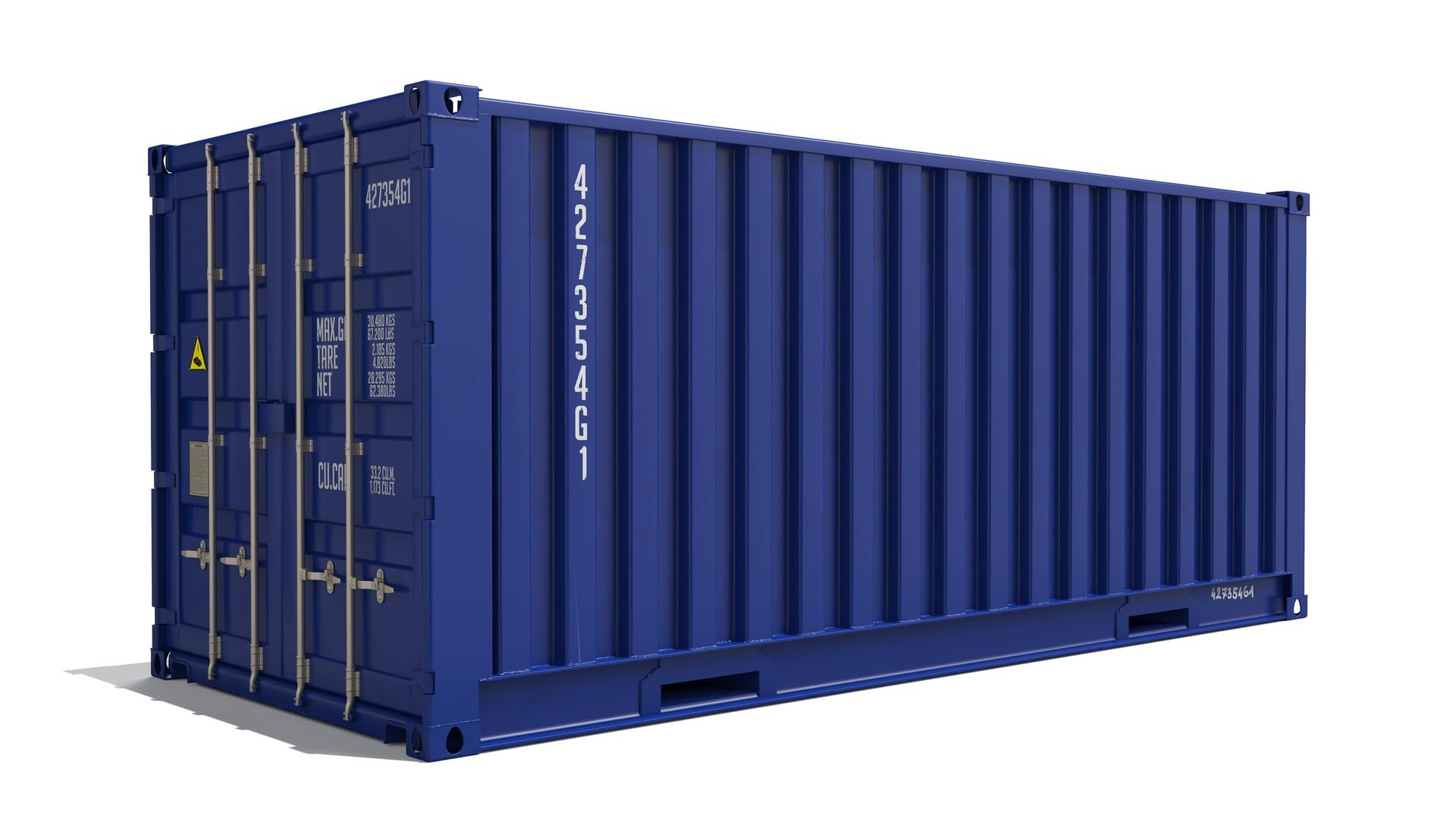
The dry freight container is the standard unit for global containerized trade. It is suitable for non-perishable general cargo and is widely available in ports, depots and leasing fleets worldwide.

  • Used for export goods, pallets, cartons and industrial components
  • Available mainly as 20 ft and 40 ft equipment
  • Strong availability in most international container markets
General Cargo 20 ft 40 ft

High Cube Container

High cube containers offer additional internal height compared with standard containers. They are widely used when cargo volume is more critical than cargo weight.

  • Commonly used for bulky but relatively lightweight cargo
  • Popular in retail, furniture, packaging and industrial logistics
  • Often preferred for storage and conversion projects
Extra Height 40 ft HC Volume Cargo

Reefer Container

Reefer containers are refrigerated units designed for cargo requiring controlled temperatures. They are essential in international cold chain logistics.

  • Used for food, pharmaceuticals, flowers and sensitive chemicals
  • Requires power supply during transport and storage
  • Temperature range depends on equipment specification
Cold Chain Temperature Control Pharma & Food

Open Top Container

Open top containers are used when cargo must be loaded from above or exceeds the loading height of a standard container door. They are usually equipped with a removable tarpaulin roof.

  • Suitable for cranes, steel structures and large machinery
  • Enables top loading in ports, factories and project sites
  • Requires careful cargo securing and route planning
Top Loading Project Cargo Oversized Goods

Flat Rack Container

Flat rack containers are designed for heavy or oversized cargo that cannot be transported inside a closed box. They are widely used in industrial logistics and international project cargo.

  • Suitable for heavy machinery, vehicles and large components
  • Available with fixed or collapsible end walls
  • Requires professional lashing, securing and lifting planning
Heavy Cargo Wide Cargo Industrial Projects

Tank Container

Tank containers are cylindrical tanks mounted inside an ISO frame. They are used for liquid cargo and require strict compliance with cargo, safety and cleaning requirements.

  • Used for chemicals, oils, food-grade liquids and gases
  • Requires product compatibility and certification checks
  • Common in chemical, food, energy and industrial supply chains
Liquid Cargo Chemicals ISO Tank

Side Opening Container

Side opening containers provide access through side doors, making them useful for wide cargo, fast loading, storage operations and flexible warehouse applications.

  • Improves loading access for long or wide cargo
  • Used in event logistics, storage and industrial projects
  • Can reduce handling time in selected applications
Side Access Warehouse Use Flexible Loading

Offshore Container

Offshore containers are robust certified units designed for demanding marine environments. They are used in offshore energy, oil and gas, wind power and marine engineering.

  • Built for harsh offshore handling and lifting conditions
  • Requires specific certification depending on operating region
  • Used for tools, spare parts and technical equipment
Offshore Marine Industry Certified Equipment

Container type selection should always consider cargo dimensions, payload, loading method, route restrictions, certification requirements, availability, depot location, freight cost and the commercial objective of the shipment. For international B2B projects, the correct container type can directly influence project cost, delivery security and operational efficiency.

Frequently Asked Questions

Container Types FAQ for Global B2B Users

What is the most common shipping container type?

The most common shipping container type is the dry freight container. It is used for general cargo such as pallets, cartons, machinery parts, retail goods and non-perishable industrial products.

What is the difference between a standard container and a high cube container?

A high cube container provides additional internal height compared with a standard container. It is often used for bulky cargo, storage, modular projects and volume-sensitive logistics.

When should a reefer container be used?

A reefer container should be used when cargo requires controlled temperature conditions. Typical applications include food logistics, pharmaceuticals, flowers, chemicals and other temperature-sensitive products.

Which container type is suitable for oversized cargo?

Oversized cargo is often transported in open top containers or flat rack containers, depending on cargo height, width, weight, lifting method and securing requirements.

Are all container types available worldwide?

No. Standard dry containers and high cube containers are widely available, while specialized units such as flat racks, open tops, tanks, reefers and offshore containers depend strongly on regional market availability.

Professional Shipping Container Selection Guide

Choosing the correct shipping container is one of the most important commercial decisions within international logistics. Besides cargo dimensions and payload, buyers should evaluate loading methods, transport routes, destination infrastructure, customs requirements, handling equipment, container availability and total lifecycle costs.

For international B2B projects, selecting the appropriate container type improves operational efficiency, minimizes cargo damage, reduces transport risks and optimizes overall supply chain performance.

Recommended Container Selection Matrix

Business Requirement Recommended Container Main Advantage
General Cargo Dry Freight Container Worldwide availability
Bulky Cargo High Cube Higher loading volume
Temperature Controlled Goods Reefer Container Cold chain compliance
Heavy Machinery Flat Rack Oversized cargo capability
Top Loading Cargo Open Top Crane loading possible
Liquid Products Tank Container Safe liquid transport
Wide Cargo Access Side Opening Container Fast loading and unloading
Offshore Operations Offshore Container Certified heavy-duty construction

Industry Applications

Manufacturing Industrial production, machinery, spare parts, export logistics, supplier networks and production equipment.
Construction Building materials, modular construction, heavy equipment, infrastructure projects and temporary storage.
Food Industry Temperature-controlled transportation using Reefer Containers for global food distribution.
Chemical Industry Tank Containers for hazardous and non-hazardous liquid chemicals according to international transport regulations.
Renewable Energy Wind power, solar projects, battery storage, transformers and oversized industrial equipment.
Oil & Gas Certified Offshore Containers for offshore platforms, marine logistics and energy projects.
Retail & E-Commerce High Cube Containers providing increased cargo volume for international distribution.
Humanitarian Logistics Rapid deployment of emergency supplies, medical equipment and disaster relief materials.

Professional Procurement Recommendations

Before purchasing or leasing containers, companies should evaluate equipment condition, CSC validity, manufacturing year, structural integrity, floor condition, door sealing, corrosion level, repair history, depot availability and transportation costs. Total Cost of Ownership (TCO) should always be considered rather than purchase price alone.

Global Container Network supports international companies by connecting container buyers, leasing companies, suppliers and logistics providers worldwide through a professional B2B network focused on transparency, market knowledge and efficient container sourcing.

Need Professional Container Support?

Whether you are looking to purchase, lease or source shipping containers worldwide, Global Container Network helps connect businesses with qualified international suppliers and logistics partners.

Request Business Information
Professional Selection Guide

How to Choose the Right Shipping Container Type

The correct container type depends on cargo size, weight, loading method, temperature sensitivity, transport route, certification requirements, handling infrastructure and total logistics cost. For professional B2B users, container selection should always be based on operational suitability, market availability and long-term commercial efficiency.

Requirement Recommended Container Type Business Reason
Standard export cargo Dry Freight Container Best global availability and efficient cost structure.
Bulky lightweight cargo High Cube Container Additional internal height and improved volume utilization.
Temperature-sensitive goods Reefer Container Controlled temperature for food, pharma and cold chain logistics.
Top-loaded cargo Open Top Container Allows crane loading for cargo that cannot pass through standard doors.
Heavy or oversized machinery Flat Rack Container Suitable for wide, high or heavy industrial components.
Liquid cargo Tank Container Designed for safe liquid, chemical and food-grade transport.
Fast side loading Side Opening Container Improves access for warehouse, event and industrial logistics.
Marine and offshore projects Offshore Container Certified equipment for harsh environments and offshore handling.

Business rule: Do not select a container type by price alone. Always compare cargo requirements, CSC status, ISO compliance, depot location, equipment condition, route restrictions, loading method, delivery time and total transport cost.

Industry Solutions

Container Types by Industry Application

Manufacturing

Dry freight and high cube containers for machinery parts, export goods, production materials and supplier logistics.

Construction

Flat rack, open top and storage containers for building materials, tools, steel structures and project equipment.

Food & Pharma

Reefer containers for temperature-controlled transport of food, pharmaceuticals, flowers and sensitive products.

Chemicals

Tank containers for liquid chemicals, oils, industrial fluids and food-grade liquids requiring certified handling.

Energy & Mining

Flat rack, open top and offshore containers for turbines, generators, mining equipment and heavy industrial cargo.

Retail & E-Commerce

High cube containers for high-volume consumer goods, furniture, packaging, seasonal products and distribution cargo.

Buyer Checklist

Essential Checks Before Buying or Leasing Containers

Technical Condition

  • Structural integrity
  • Corrosion level
  • Floor condition
  • Door seals and locking bars
  • Previous repairs

Documentation

  • CSC plate
  • Manufacturing year
  • Container number
  • ISO classification
  • Inspection history

Commercial Factors

  • Depot location
  • Availability
  • Delivery cost
  • Leasing terms
  • Total cost of ownership
Decision Area What to Check Why It Matters
Container grade New, cargo-worthy, wind and watertight, used or refurbished Determines suitability for transport, storage or resale.
Certification Valid CSC plate and inspection status Required for international shipping and safe handling.
Location Nearest port, depot or inland terminal Transport costs can exceed price differences between suppliers.
Availability Immediate stock or lead time Critical for urgent projects and seasonal demand.
Ownership model Purchase, leasing, one-way use or project rental Impacts liquidity, flexibility and long-term cost structure.
Standards and Lifecycle

ISO Standards, CSC Certification and Container Lifecycle

International shipping containers are built around standardized dimensions, handling systems and safety requirements. ISO standards support global compatibility between ships, trucks, rail systems, cranes and terminals. CSC certification confirms that a container meets safety requirements for international transport.

A professional container lifecycle includes manufacturing, factory inspection, CSC approval, international operation, maintenance, repair, resale, leasing, storage conversion and recycling. Understanding this lifecycle helps companies evaluate quality, risk and commercial value before buying or leasing container equipment.

Global Container Network

Worldwide container knowledge, sourcing orientation and B2B market access for buyers, sellers, leasing companies, logistics providers and industrial clients.

Request Business Information
Global Container Knowledge Center

Professional Resources for International Container Procurement

Selecting the correct shipping container is only one part of a successful logistics strategy. Professional purchasing decisions should also consider international availability, transport infrastructure, regional depot networks, equipment condition, lifecycle costs, certification requirements and long-term operational efficiency.

Global Container Network continuously expands its international knowledge base to support buyers, leasing companies, logistics providers, exporters, importers and industrial organizations with reliable business information covering the worldwide container industry.

Technical Knowledge

  • ISO Container Standards
  • CSC Certification
  • Container Dimensions
  • Payload & Tare Guide
  • Container Grades
  • Container Identification Numbers
  • Maintenance Best Practices
  • Inspection Procedures

Commercial Information

  • Container Buying Guide
  • Container Leasing Guide
  • Supplier Evaluation
  • Global Availability
  • Depot Networks
  • Market Developments
  • Cost Optimization
  • Procurement Strategies

International Logistics

  • Sea Freight
  • Intermodal Transport
  • Project Cargo
  • Port Operations
  • Container Repositioning
  • Supply Chain Optimization
  • Industrial Logistics
  • Global Trade Support

Professional Evaluation Criteria

Experienced container buyers generally evaluate several factors before purchasing or leasing equipment.

Evaluation Area Business Importance
Equipment Condition Determines service life and maintenance costs.
CSC Certification Required for international transport.
Regional Availability Influences delivery time and transport costs.
Container Grade Defines operational suitability.
Transport Costs Often exceed purchase price differences.
Total Cost of Ownership Supports long-term commercial decisions.

Global Container Network

Worldwide B2B Container Knowledge • International Container Procurement • Global Supplier Networks • Container Leasing • Industrial Logistics • Market Intelligence

Our objective is to provide professional business information and connect international container demand with qualified suppliers, logistics providers and commercial partners worldwide.

Request International Business Information